Commercial Framing in Wilmington, NC
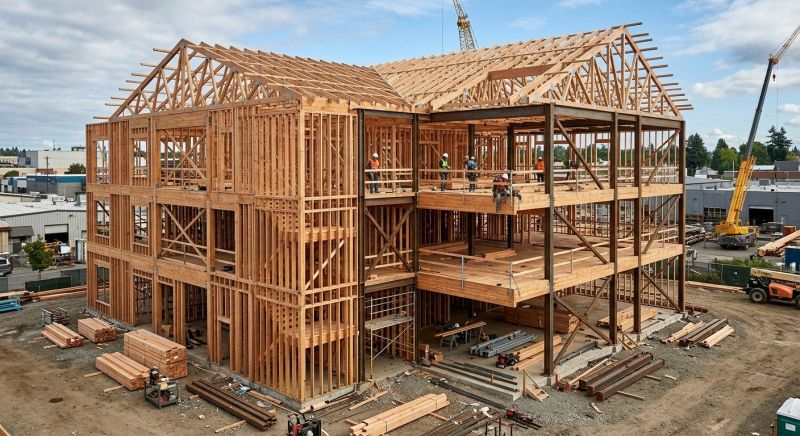
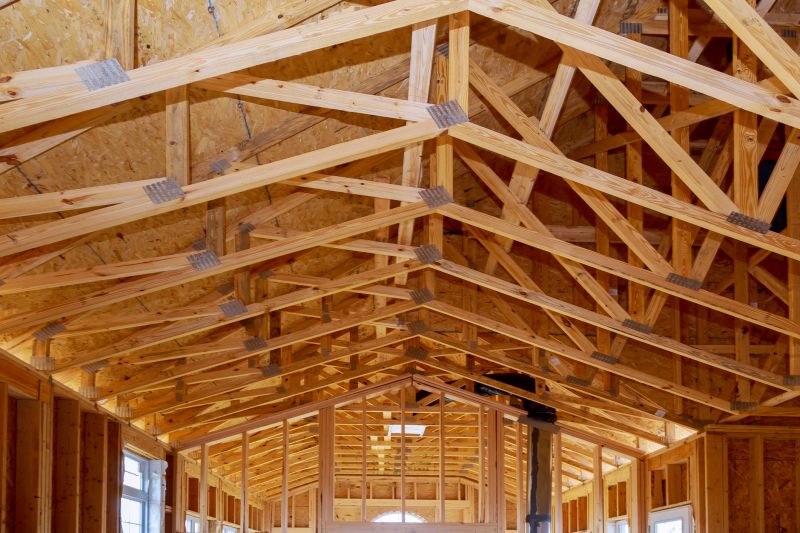
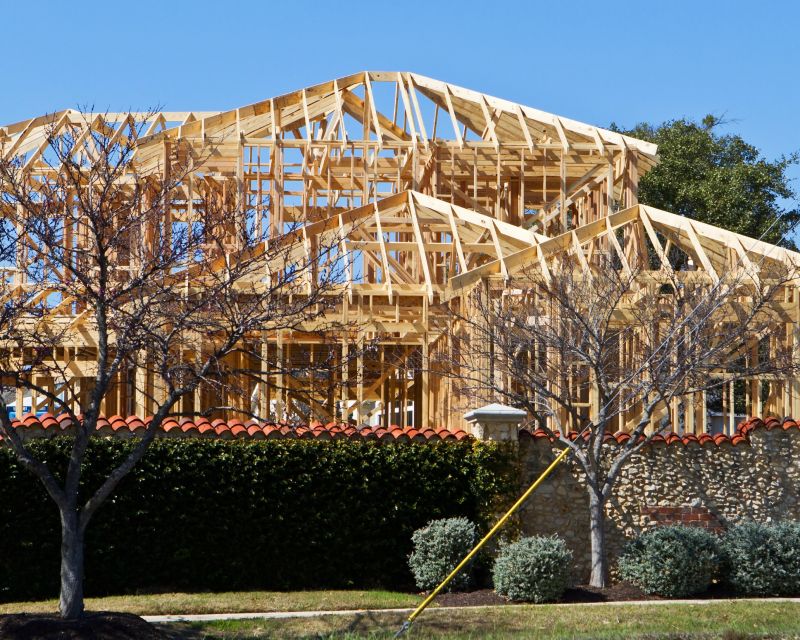
Commercial framing services involve the construction and installation of the structural framework that supports commercial buildings, including offices, retail spaces, warehouses, and industrial facilities. These services typically cover the setup of wall systems, load-bearing structures, interior partitions, and other essential framework components that give a building its shape and stability. Property owners interested in this service should understand the scope of the project, including the types of materials used, the complexity of the design, and how the framing integrates with other construction phases to ensure safety and durability.
Before requesting commercial framing, property owners usually want to clarify project specifications, such as building size, design plans, and timeline expectations. It’s also important to consider any local building codes and regulations that might influence the framing process. Having a clear understanding of these elements can help ensure the project proceeds smoothly and meets all structural requirements for a safe, long-lasting structure.
Many property owners in Wilmington, NC look into Commercial Framing for repairs, replacements, upgrades, and appearance-related improvements.
Commercial Framing Solutions
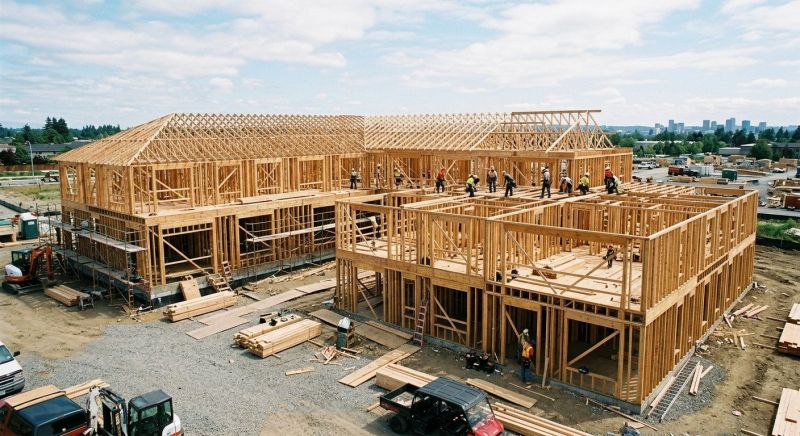
Custom framing options are available for retail stores, offices, and industrial buildings in wilmington, nc.
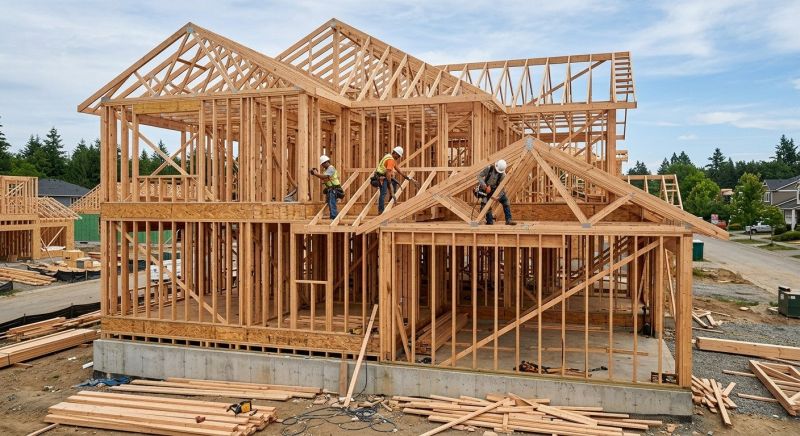
Structural Integrity And Safety
Proper framing ensures the stability and durability of commercial structures across the wilmington area.
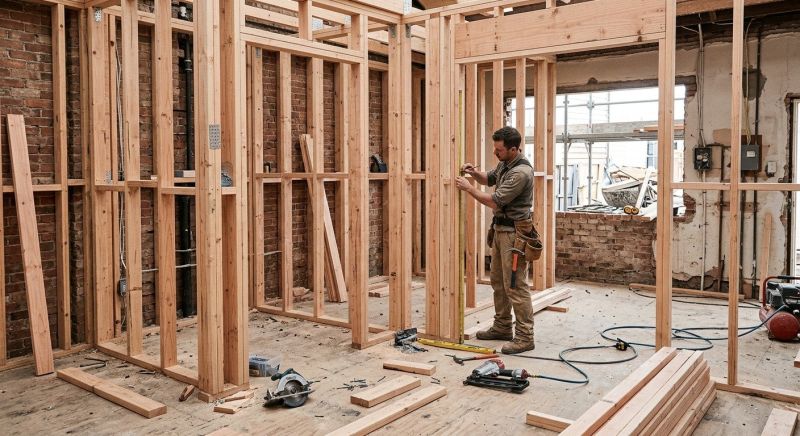
Design Flexibility And Space Optimization
Commercial framing can accommodate open layouts or partitioned areas to meet specific business needs in wilmington, nc.
Commercial Framing in Wilmington, NC
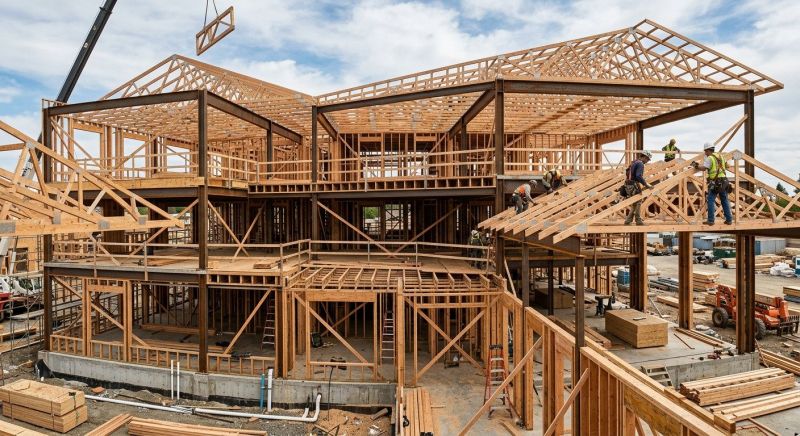
Commercial framing services involve the construction and installation of the structural framework that supports commercial buildings, including offices, retail spaces, warehouses, and industrial facilities. These services typically cover the setup of wall systems, load-bearing structures, interior partitions, and other essential framework components that give a building its shape and stability. Property owners interested in this service should understand the scope of the project, including the types of materials used, the complexity of the design, and how the framing integrates with other construction phases to ensure safety and durability.
Before requesting commercial framing, property owners usually want to clarify project specifications, such as building size, design plans, and timeline expectations. It’s also important to consider any local building codes and regulations that might influence the framing process. Having a clear understanding of these elements can help ensure the project proceeds smoothly and meets all structural requirements for a safe, long-lasting structure.
Many property owners in Wilmington, NC look into Commercial Framing for repairs, replacements, upgrades, and appearance-related improvements.
Common Commercial Framing Jobs
Commercial framing - supports the structural framework of retail stores, offices, and industrial buildings.
Interior framing - includes partition walls, bulkheads, and interior load-bearing structures.
Exterior framing - involves constructing the framework for building facades, storefronts, and exterior walls.
Steel and wood framing - utilizes different materials to meet project specifications and building codes.
Custom framing solutions - tailored to unique architectural designs and specific property requirements.
Reinforcement and retrofit framing - enhances existing structures for added stability or compliance.
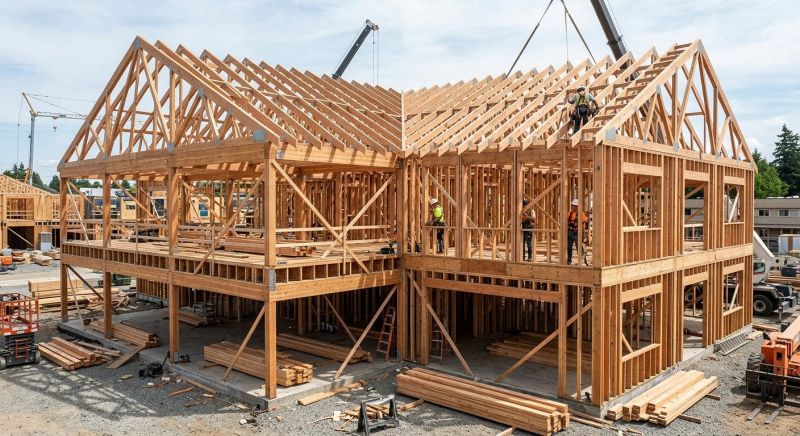
Commercial Framing Questions
What types of projects require commercial framing services? Commercial framing is used for new construction, renovations, and expansions of office buildings, retail spaces, warehouses, and industrial facilities in Wilmington and surrounding areas.
What materials are commonly used in commercial framing? Steel, wood, and metal studs are frequently used for durability, flexibility, and compliance with building codes in commercial projects.
How does commercial framing differ from residential framing? Commercial framing typically involves larger structures with different load requirements, often using steel or metal for strength and fire resistance, compared to residential framing's focus on wood.
What should property owners consider when planning a commercial framing project? It's important to evaluate the building's purpose, design specifications, and local building codes to ensure the framing supports the desired use and complies with regulations.
Request Commercial Framing in Wilmington, NC
Use the quote form on this page to share the basics of your project and request more information for the type of work you need.